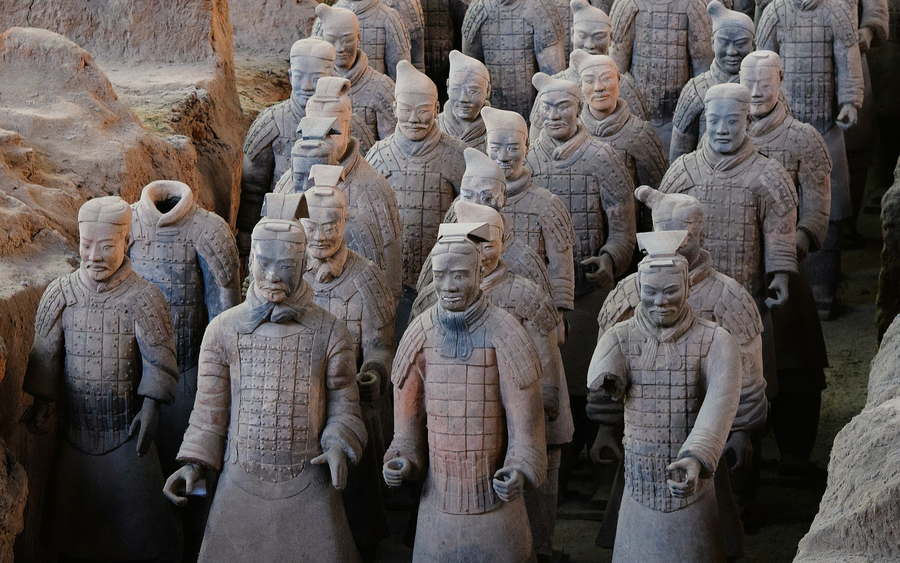
Bronzes & the Zhou world
Baoji’s bronze collections connect the region with the history of the Zhou. Inscriptions, ritual use and vessel forms reward a specialist explanation rather than a rapid walk past display cases.

West of Xi’an, Baoji opens a different chapter of Shaanxi’s heritage.
West of Xi’an, Baoji opens a different chapter of Shaanxi’s heritage. Bronze vessels and inscriptions connect the region to early Chinese history, while Famen Temple in Fufeng County recalls the patronage and pilgrimage of the Tang era.
Famen can be visited on a dedicated day from Xi’an. Staying in Baoji creates space for its bronze museum and a slower encounter with this part of the Wei River valley.
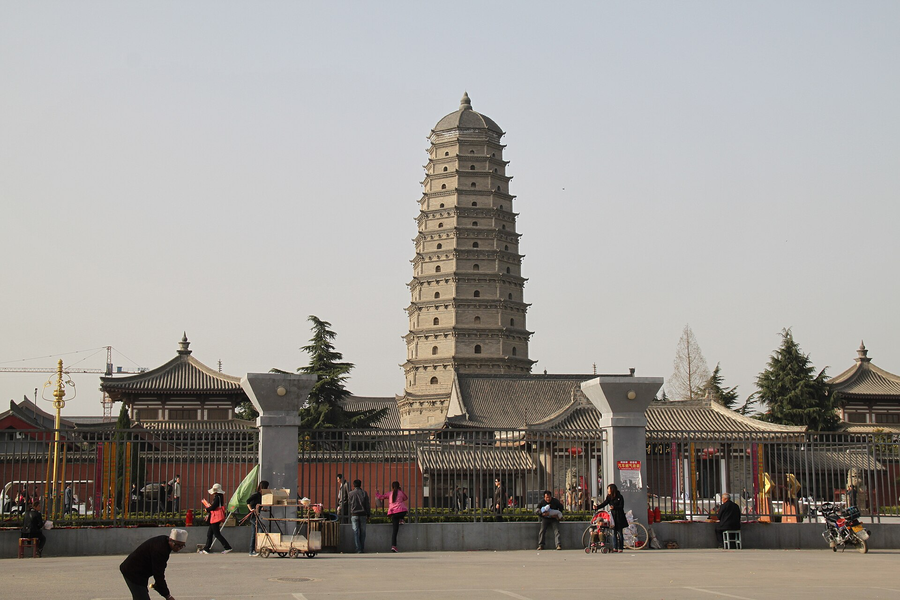 Famen Temple
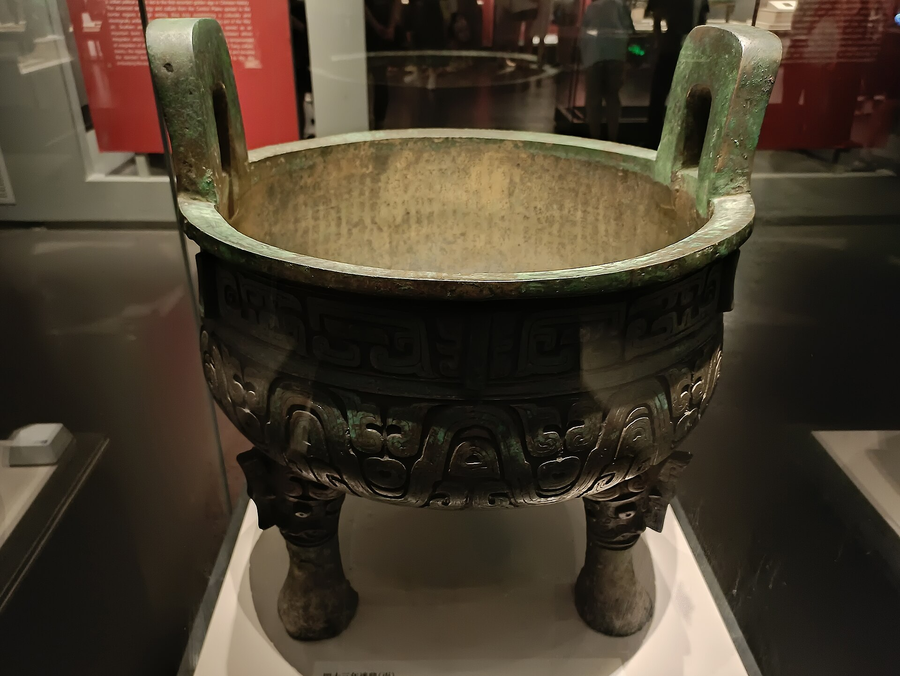 Baoji Bronze Ware Museum
Choose a recognition to see the specific places and traditions connected with this destination. Nearby extensions keep their own location and travel time.
Find the places and stories that matter to you, then give them the time they deserve.
Baoji’s bronze collections connect the region with the history of the Zhou. Inscriptions, ritual use and vessel forms reward a specialist explanation rather than a rapid walk past display cases.
Famen Temple is associated with a revered Buddhist relic. The historic core sits within a much larger modern visitor complex, outside Baoji’s centre and reached by a planned transfer.
Taibai Mountain offers a different, outdoor focus. Elevation, weather and the selected route determine the effort; it should not be attached casually to a museum-and-temple day.
Combine a focused museum visit with a separate Famen excursion.
Give Taibai its own suitable itinerary and weather flexibility.
Qishan-style noodles and regional wheat dishes provide a strong local food thread.
A city base suits collections; Famen and Taibai need their own road stages.
Explore a sample route, then ask us to shape the details around your travel dates.
Explore the culture here and nearby through crafts, performances and shared traditions.
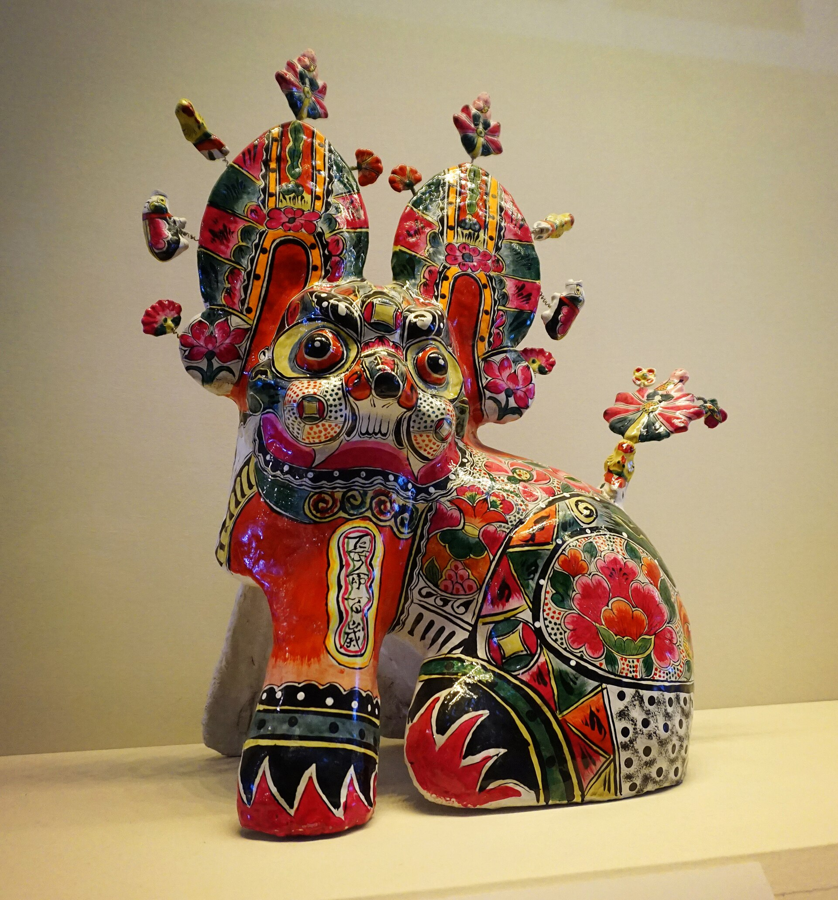 Watch · Make
Fengxiang, Baoji · Shaanxi
Bright painted patterns give Fengxiang's clay figures their character. The craft offers a colourful introduction to the folk imagery of western Guanzhong.