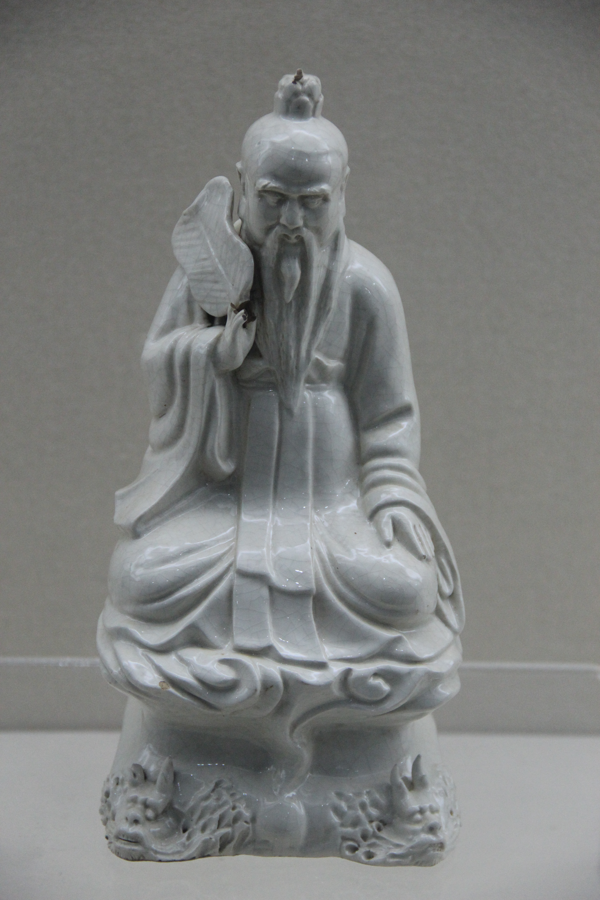
A tradition of thought
The Daodejing and Zhuangzi ask how to live with change, recognise our limits and relate to the world around us. Their questions reach beyond temples, into literature, art and ordinary life.

A mountain path, a story about a butterfly, the sound of a temple ritual. Explore the ideas of Laozi and Zhuangzi alongside the faith, art and living traditions they helped inspire.
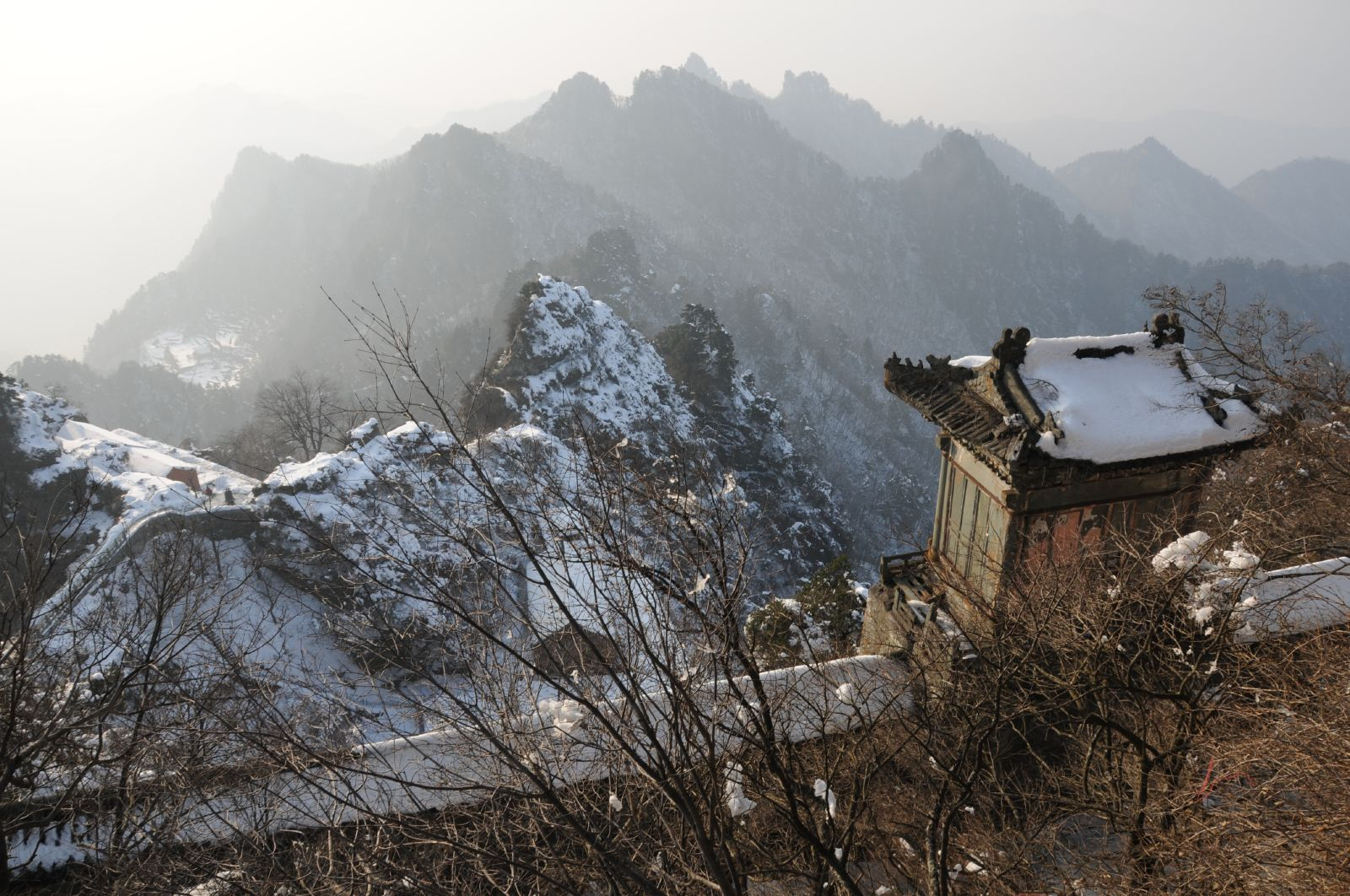
The Wudang Mountains · Hubei
In English, “Daoism” covers both a tradition of thought and a religious world. Understanding their relationship makes a temple visit richer—and leaves room to enjoy Laozi and Zhuangzi without adopting a faith.
The Daodejing and Zhuangzi ask how to live with change, recognise our limits and relate to the world around us. Their questions reach beyond temples, into literature, art and ordinary life.
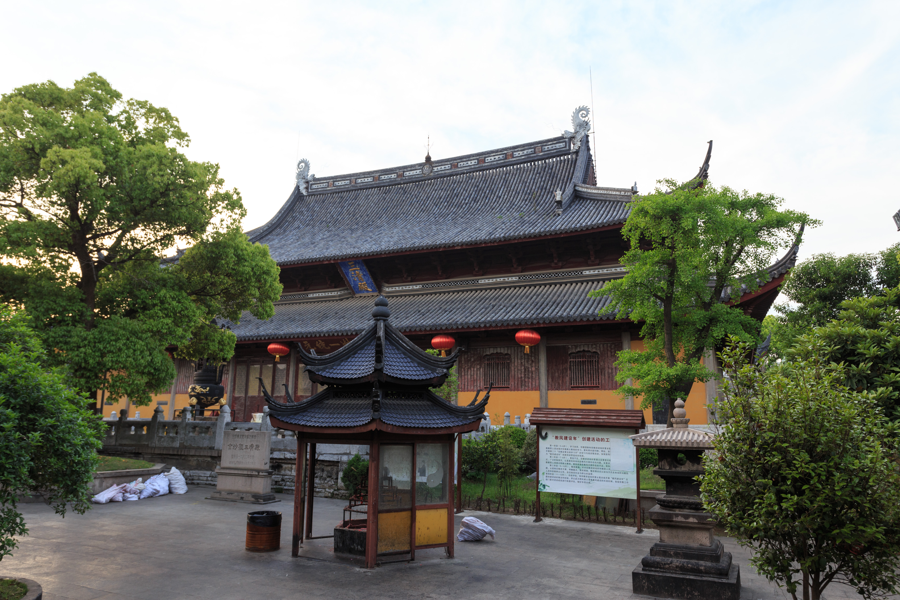
Daoist faith has scriptures, deities, ritual specialists and communities. It includes temple worship, ethical commitments and practices of cultivation, transmitted through distinct traditions.
These are connected perspectives, rather than two sealed boxes. Laozi is also revered as Taishang Laojun, and the Daodejing is read as a religious scripture. Religious Daoism draws on many sources beyond Laozi and Zhuangzi; neither aspect can stand in for the whole tradition.
A mountain can be scenery, a sacred place and a setting for reflection at once. Notice paths, trees, water and temple buildings.
Explore ↗02Meet a butterfly dream or an unusually skilled cook. Start with the question each story leaves you, rather than a list of terms.
Explore ↗03A mural, a chant or a carefully practised movement can introduce another way Daoist culture is passed on.
Explore ↗The texts associated with Laozi and Zhuangzi take shape in the centuries before the imperial era. Their authorship and compilation are subjects of scholarship.
The Celestial Masters tradition emerges. Its founding story associates Zhang Daoling with a revelation from the divine Laozi.
Wang Chongyang’s Quanzhen movement develops alongside older traditions. Later Daoist life includes both Zhengyi and Quanzhen networks.
Read a story, sit with its question, then meet a place with a different kind of attention.
The Daodejing turns our attention to water, an empty vessel and a valley. Softness and receptiveness become ways to reconsider strength. Laozi’s life belongs partly to tradition and legend; the text’s date and authorship remain debated.
Follow the Laozi tradition at Louguantai ↗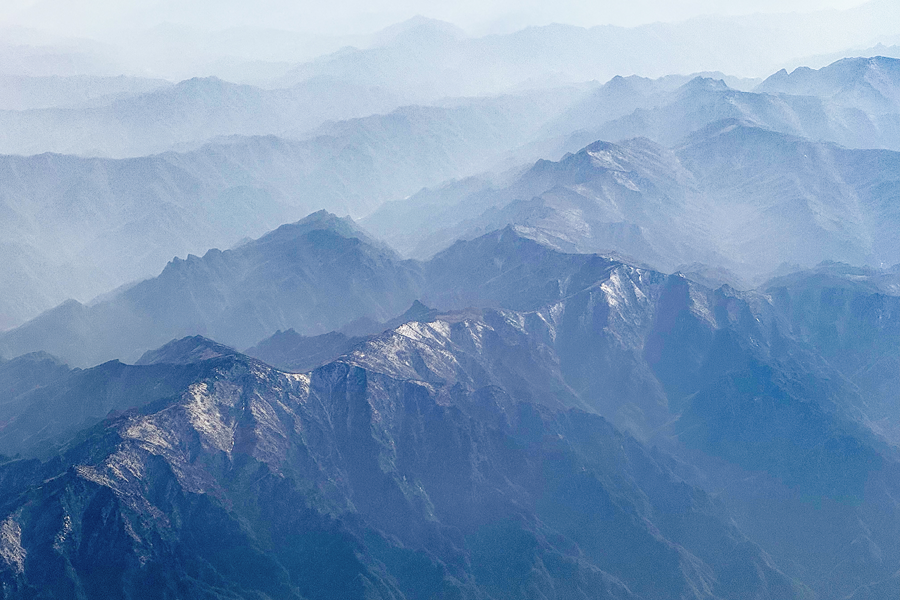
The Zhuangzi uses humour, improbable encounters and changes of perspective to loosen our certainty. Its stories ask what happens when we stop measuring every life by the same standard. They invite inquiry, with room for more than one interpretation.
Explore poetry and mountain landscapes ↗Laozi and Zhuangzi are not a complete account of religious Daoism. These later figures help explain some of the communities and temples you can encounter today.
Associated with the early Celestial Masters community. Later Zhengyi traditions look to this heritage of ritual authority and transmission.
Mount Qingcheng ↗A Shaanxi-born teacher whose movement emphasised cultivation and brought Daoist, Buddhist and Confucian learning into conversation. Chongyang Palace in the Xi’an region preserves his memory.
Xi’an & the Zhongnan region ↗A disciple of Wang Chongyang, remembered within the Longmen tradition of Quanzhen. Beijing’s White Cloud Temple is an important place to explore this legacy.
Beijing · White Cloud Temple ↗Celestial Masters heritage
Particularly associated with ritual transmission and service to communities. Many priests may marry and live with families; temple life and local practices vary.
Wang Chongyang → Seven Perfected → later branches, including Longmen
Known for monastic communities and cultivation. Monastic priests generally observe celibacy; its history also includes different forms of lay participation.
An introductory guide to two major traditions, not an exhaustive family tree. Local practice and individual communities are more varied than a simple division can show.
Follow the subject into real places. Choose a region, then open its destination for related journeys and local context.
8 places to explore
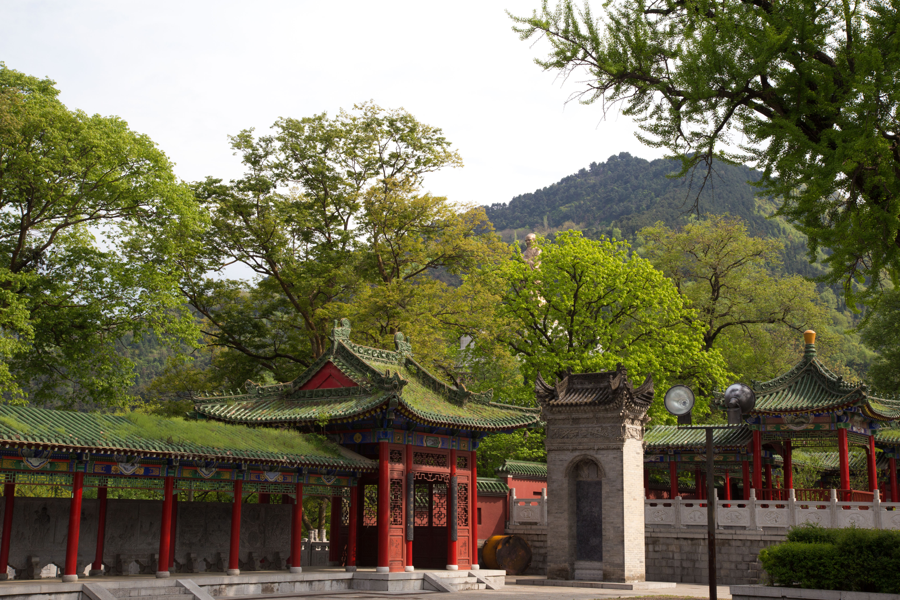 Zhouzhi · Xi’an region · Shaanxi
Local Daoist tradition connects this wooded temple site with Laozi and the teaching of the Daodejing. Read the story as a sacred tradition, then explore its setting.
Explore the destination ↗Suzhou · JiangsuA living old-city temple, with a Southern Song Sanqing Hall and a recognised musical heritage. It belongs naturally with Suzhou’s gardens and canal-side neighbourhoods.
Explore the destination ↗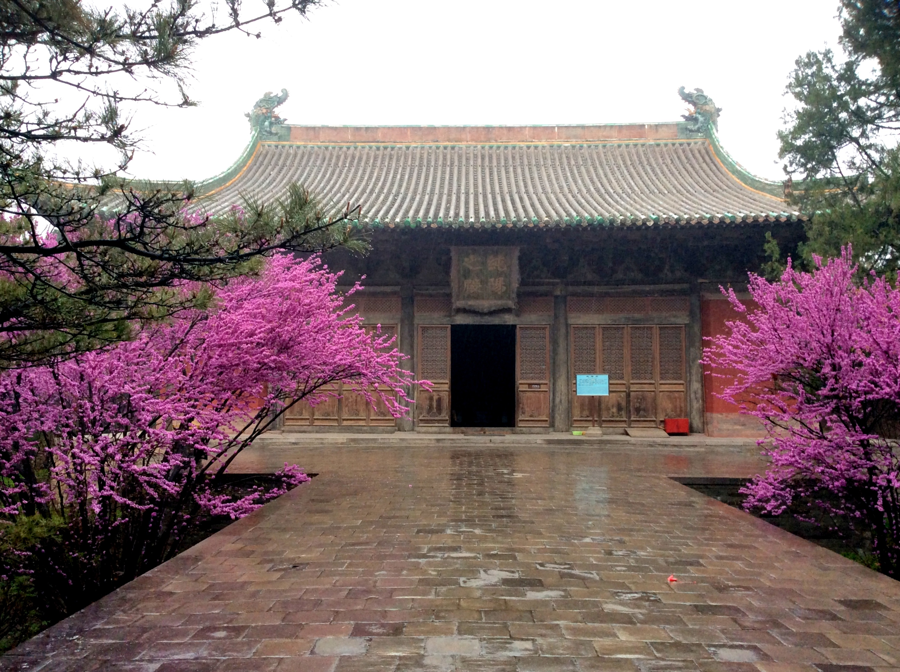 Ruicheng · Yuncheng · Shanxi
Yuan architecture, the celestial assembly of the Chaoyuan Tu and painted stories of Lü Dongbin. This is southern Shanxi, far from Datong.
Explore the destination ↗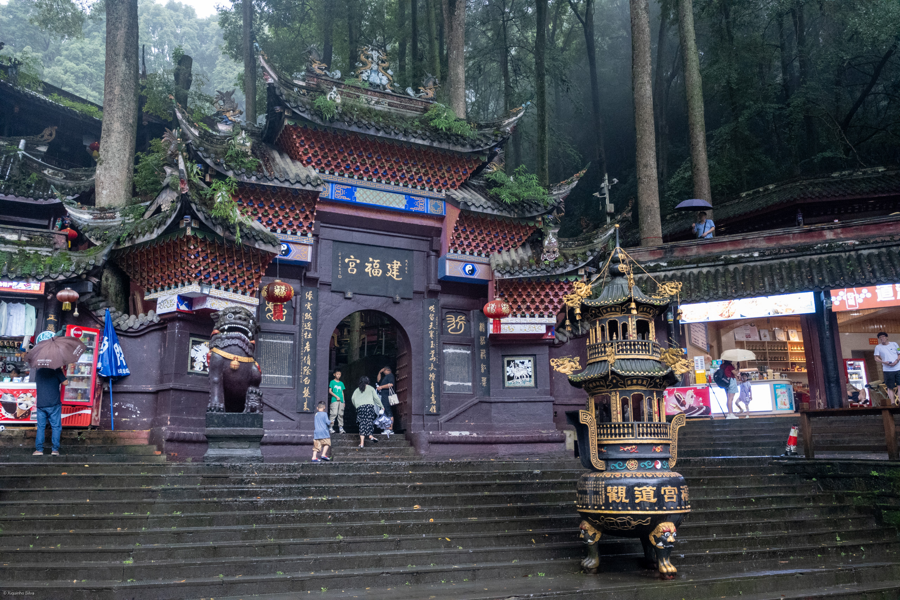 Dujiangyan · Chengdu region · Sichuan
Forest paths and temples close to Chengdu. The front mountain is the focus for temple culture; the back mountain offers a different landscape experience.
Explore the destination ↗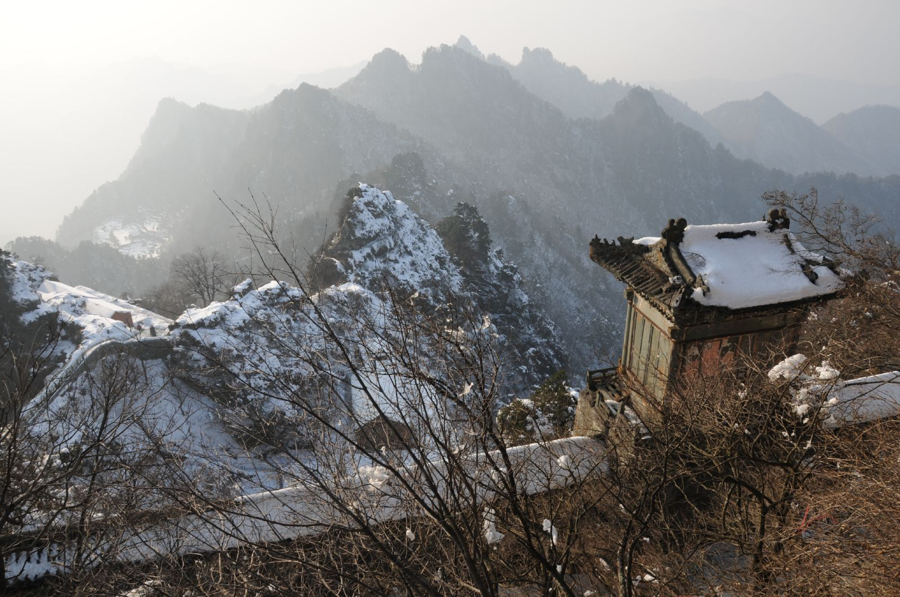 Shiyan · Hubei
An imperial Daoist complex with distinctive architectural and martial heritage. Allow time for the terrain rather than visiting every temple in a day.
Explore the destination ↗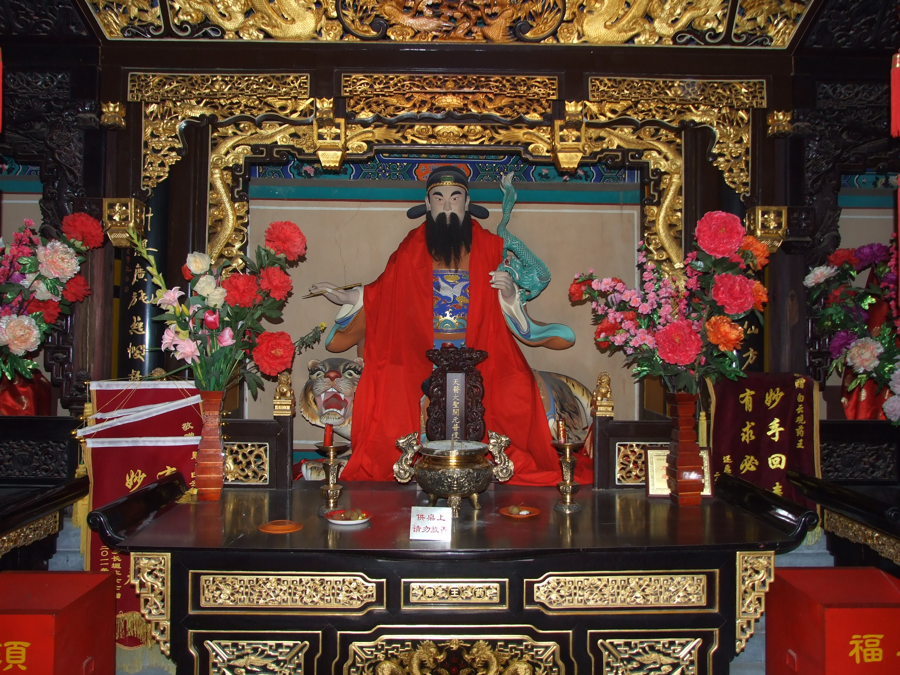 Beijing · Beijing
An important Quanzhen centre associated with Qiu Chuji. The halls introduce diverse Daoist worship; the photograph shows the shrine of Sun Simiao.
Explore the destination ↗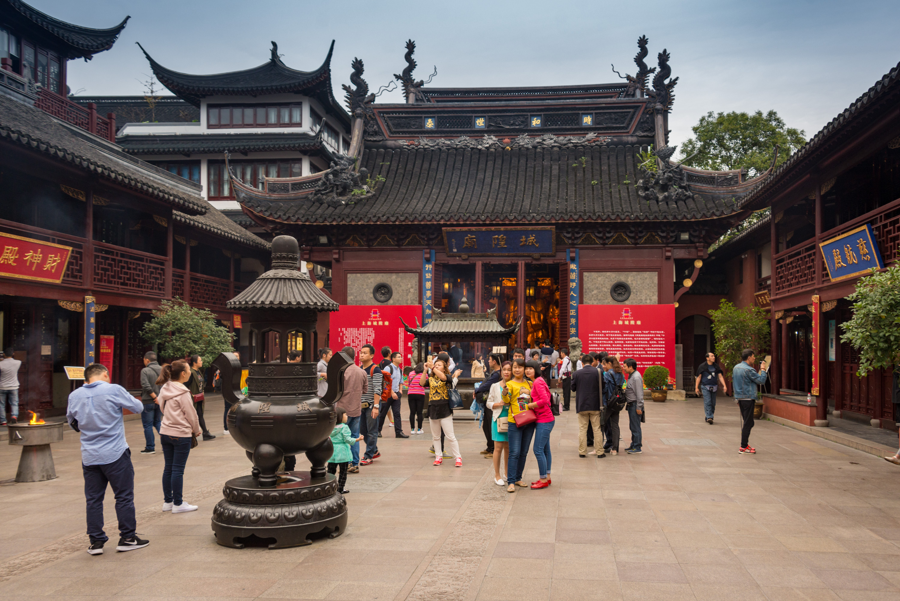 Shanghai · Shanghai
Explore the meeting of Daoist ritual, civic protection and everyday local life in Shanghai’s busy old-city neighbourhood.
Explore the destination ↗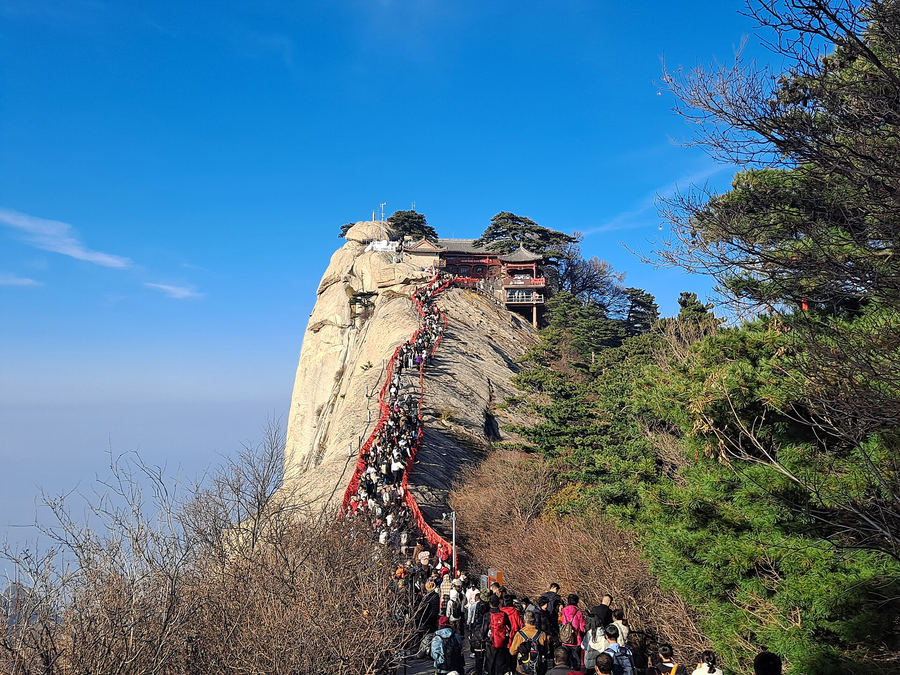 Huayin · Shaanxi
A sacred mountain with a Daoist history and dramatic granite ridges. Choose a route around mobility, weather and comfort with heights.
Explore the destination ↗Most journeys begin with public temple areas, architecture and landscape. Ask before photographing people or worship, and follow each site’s rules. Private teachings and closed rituals depend on the community’s invitation; we confirm any special encounter separately.
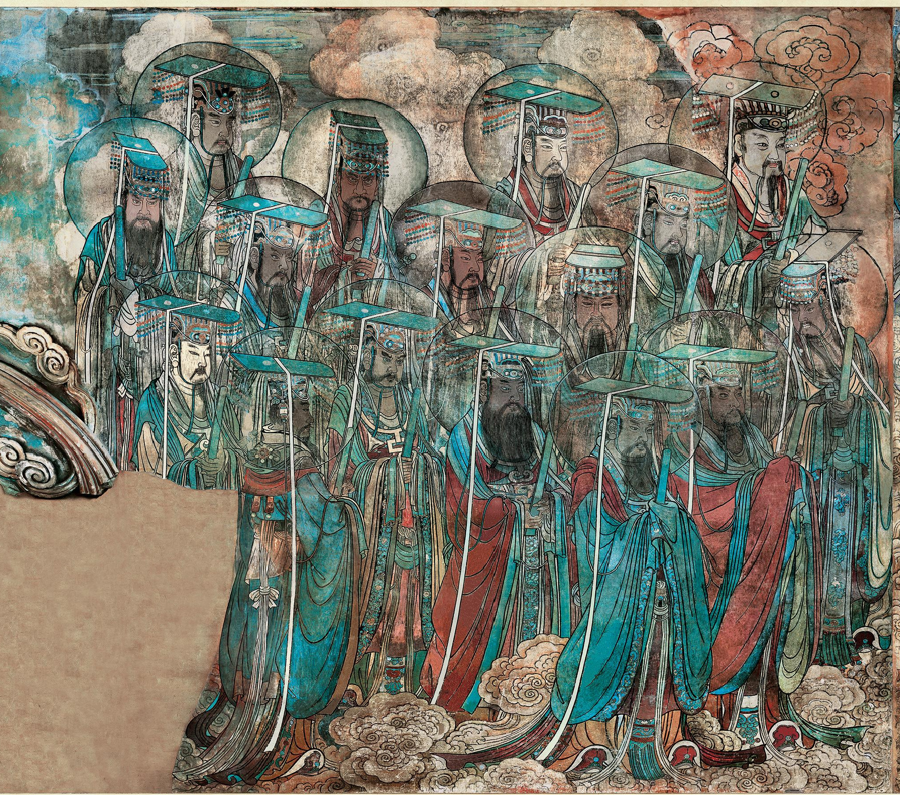
Robes sweep across the wall; figures turn toward a shared centre. The Chaoyuan Tu, completed in 1325, offers an extraordinary encounter with Daoist sacred imagery. The Chunyang Hall tells the legendary life of Lü Dongbin in painted scenes. These are religious stories as well as works of art.
Explore Yongle Palace & southern Shanxi ↗Discover the cultural context first. Public listening opportunities follow the local calendar and access; a temple visit does not promise a performance.
Temple chant meets Jiangnan musical traditions. The recognised repertoire reflects connections with local instrumental music and Kunqu.
Explore the music tradition ↗Ritual voices and instruments belong to the religious life of the mountain. Its Daoist music carries both Zhengyi and Quanzhen influences.
Explore the music tradition ↗Shanghai’s Daoist music preserves regional ritual repertoires within a modern city. Explore its context alongside the old-city temple neighbourhood.
Explore the music tradition ↗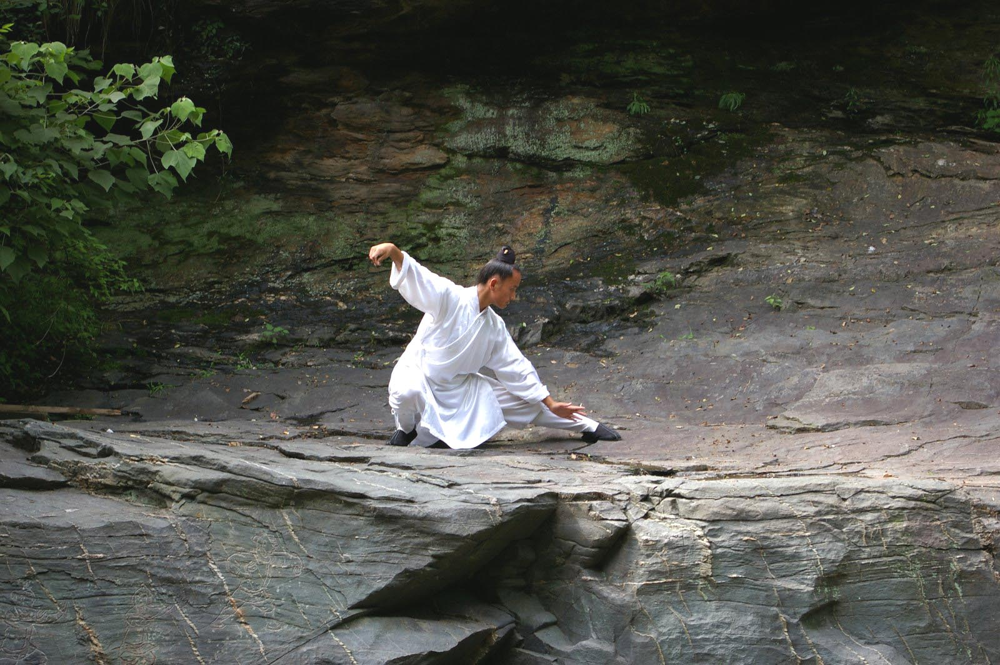
Wudang martial arts and some Daoyin traditions connect movement and stillness. A suitable introductory session is arranged separately from temple sightseeing.
Explore Wudang movement ↗Forest walking, a quiet courtyard and an unhurried lunch can be enough. Private cultivation spaces belong to a community’s life; a visit need not become a retreat.
Explore Qingcheng at your pace ↗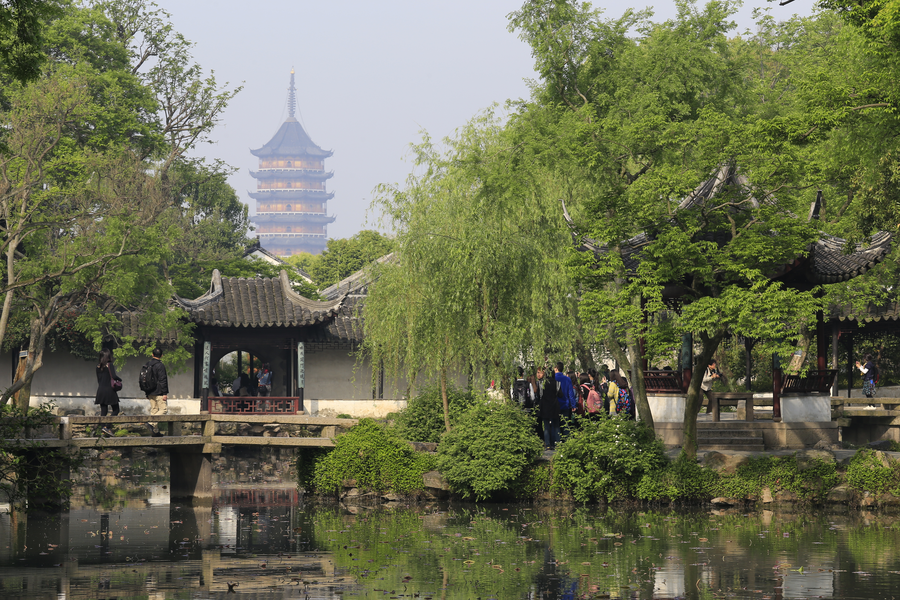
Daoist ideas are one thread in China’s gardens, poetry and reclusion. Tea, Taijiquan and Chinese medicine also have broader histories and should not all be labelled exclusively Daoist.
Explore wellbeing experiences ↗A day in Suzhou, two in the Qingcheng foothills, or a closer look at southern Shanxi’s art. These are starting points for a private journey, with access and pace shaped around you.
Xi’an & Zhongnan · Louguantai works as a focused day. For Quanzhen interests, discuss a Chongyang Palace extension and allow extra time.
Yuncheng & Ruicheng · Plan a southern Shanxi stay. Datong belongs to a different part of the province.
Chengdu & Qingcheng · Add Dujiangyan with enough time to explore its own story.
Tell us which ideas, places or traditions draw you. We’ll help connect them with the rest of your time in China.
Customize your journey ↗