
China Beyond Travel · Updated
The Silk Roads were networks, not a single straight highway. Merchants, envoys, monks, craftspeople and local communities moved goods, languages, artistic forms and religious ideas between regions. In China, a journey can trace an accessible west-to-east chapter from the Xinjiang oases through the Hexi Corridor to Chang’an and Luoyang. The places below belong to different centuries; they should not be presented as simultaneous stops on one ancient expedition.
Oasis cities, living streets & desert ruins
Start with the people and places of the Xinjiang oases. Markets, food, architecture and archaeological sites bring different periods of this cultural geography into view.
 XINJIANG · WESTERN OASES
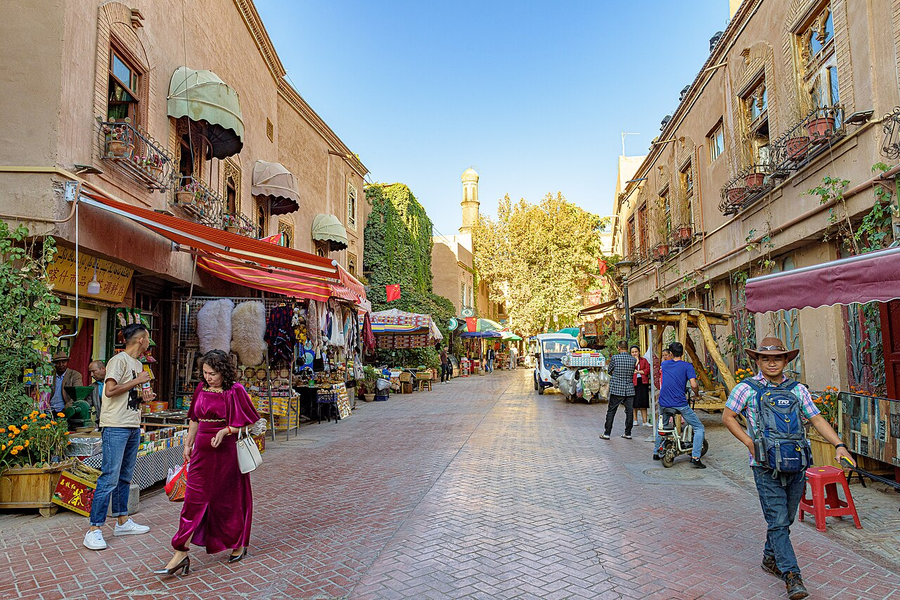
Kashgar
Walk the old city’s lanes and workshops, then take time for Uyghur food and the area around Id Kah Mosque. Kashgar adds a living urban chapter to a journey that might otherwise become a succession of monuments.
Plan your visit Allow two or three nights if you want time beyond the city. Travel east to Kuqa is a separate journey, not a short excursion.
Explore Kashgar ↗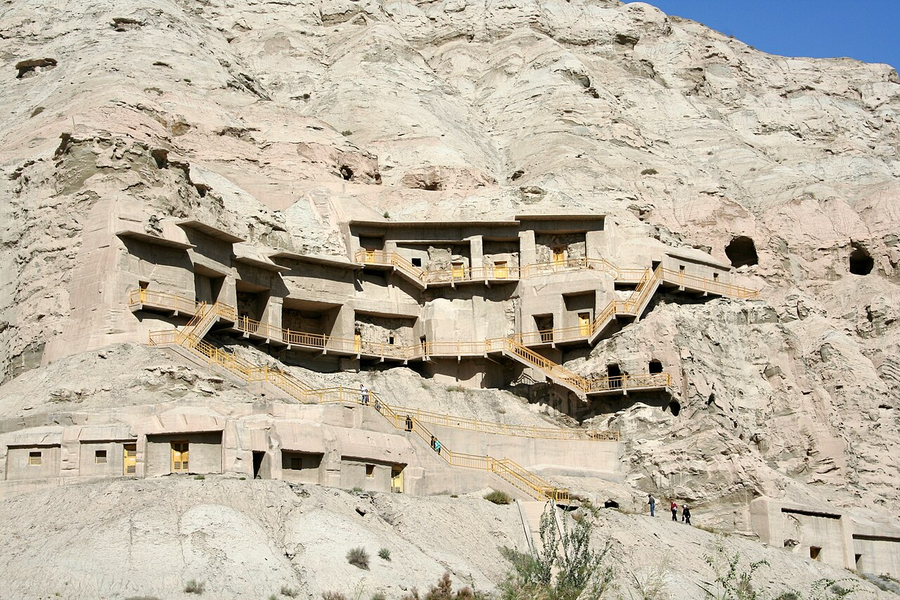 XINJIANG · ANCIENT KUCHA
Kuqa & the Kizil Caves
Kizil’s cliff-cut caves open a window onto the Buddhist painting of ancient Kucha. Combine this with Kuqa’s old streets and collections to explore an oasis kingdom through both art and everyday life.
Plan your visit The caves lie outside Kuqa. Reserve a dedicated visit and confirm available cave groups and photography rules.
Explore Kuqa & the Kizil Caves ↗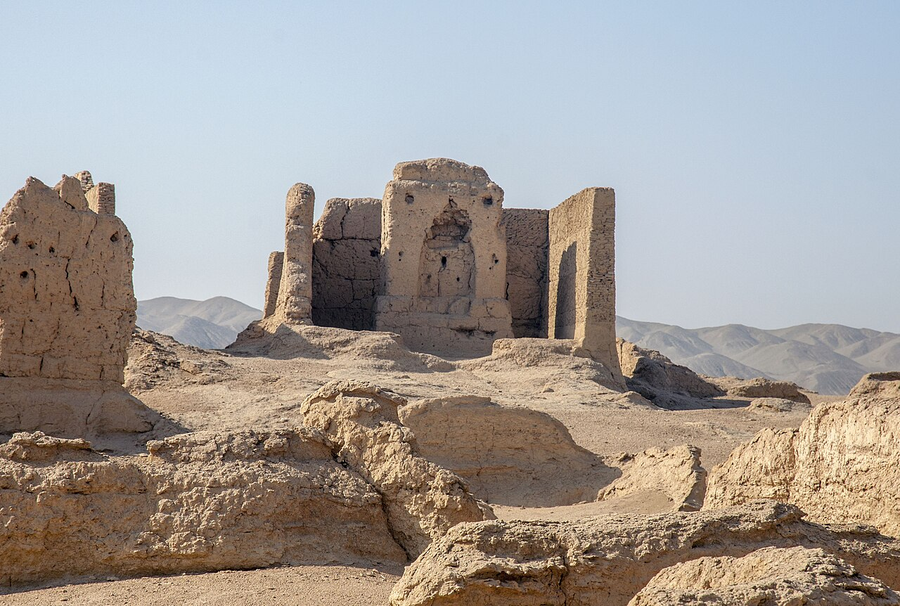 XINJIANG · EASTERN OASES
Turpan: Jiaohe & Bezeklik
The earthen ruins of Jiaohe reveal an ancient city, while Bezeklik tells a different story through cave painting. Karez water systems and oasis agriculture help explain how people lived in an arid landscape.
Plan your visit Spread the ruins, cave sites and oasis visits over more than a hurried transit day; plan outdoor time around the heat.
Explore Turpan: Jiaohe & Bezeklik ↗
The Hexi Corridor: passes, paintings & desert edges
Across Gansu, a narrow passage between mountains and desert connects oasis settlements. Buddhist art is one thread alongside frontier history, trade and urban life.
 GANSU · DUNHUANG
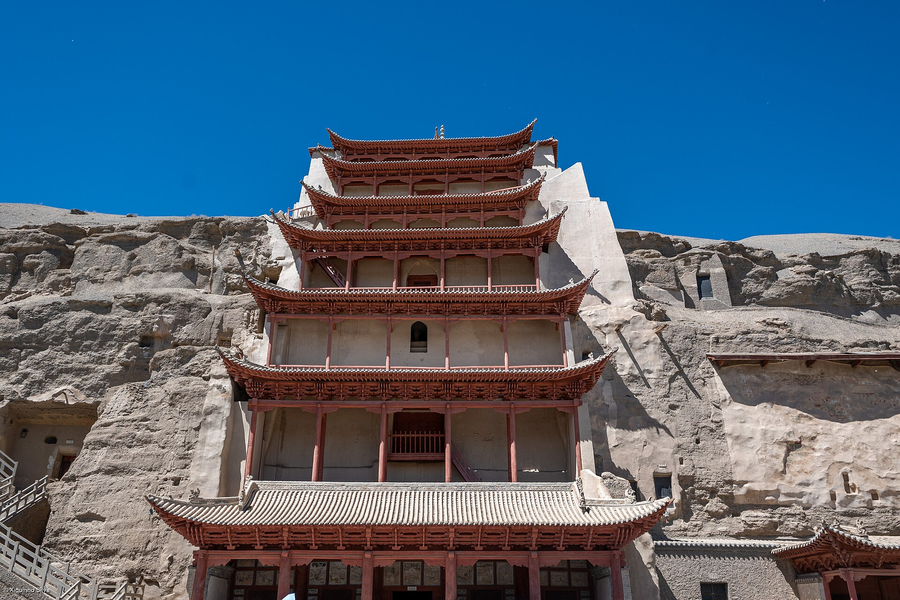
Dunhuang: Mogao & the desert frontier
Give Mogao’s paintings and sculpture their own time. A separate desert or frontier chapter can explore the landscapes around Yumen Pass, rather than treating the entire destination as one cave visit.
Plan your visit Allow two or three days. Confirm Mogao booking and the available cave programme before shaping the rest of the stay.
Explore Dunhuang: Mogao & the desert frontier ↗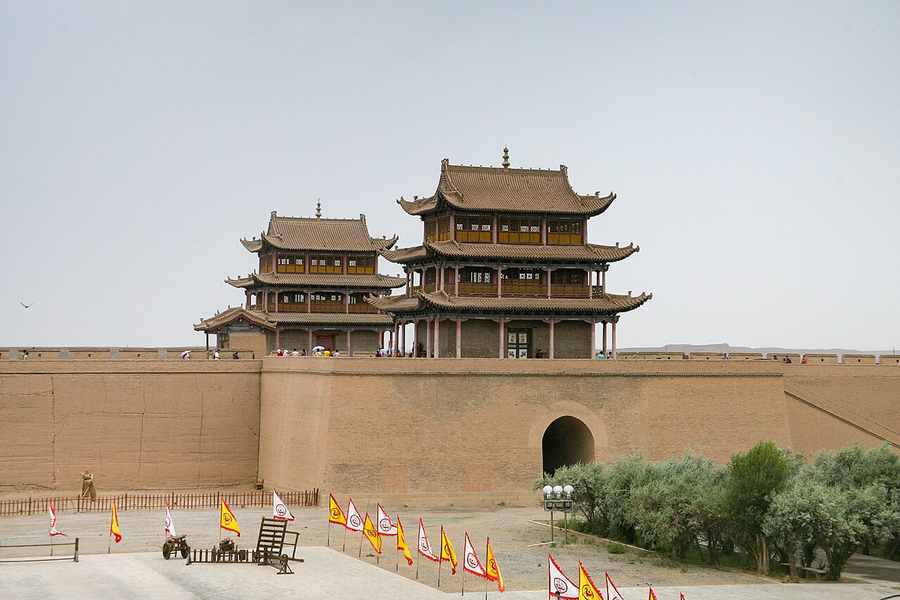 GANSU · JIAYUGUAN
Jiayuguan Pass
The fortress frames the military and administrative side of this corridor. Its surviving Ming architecture belongs to a much later period than the earliest cave paintings: seeing both makes the route’s long history easier to understand.
Plan your visit Visit the pass as its own chapter. Nearby Great Wall sections can be added if they fit the day’s pace.
Explore Jiayuguan Pass ↗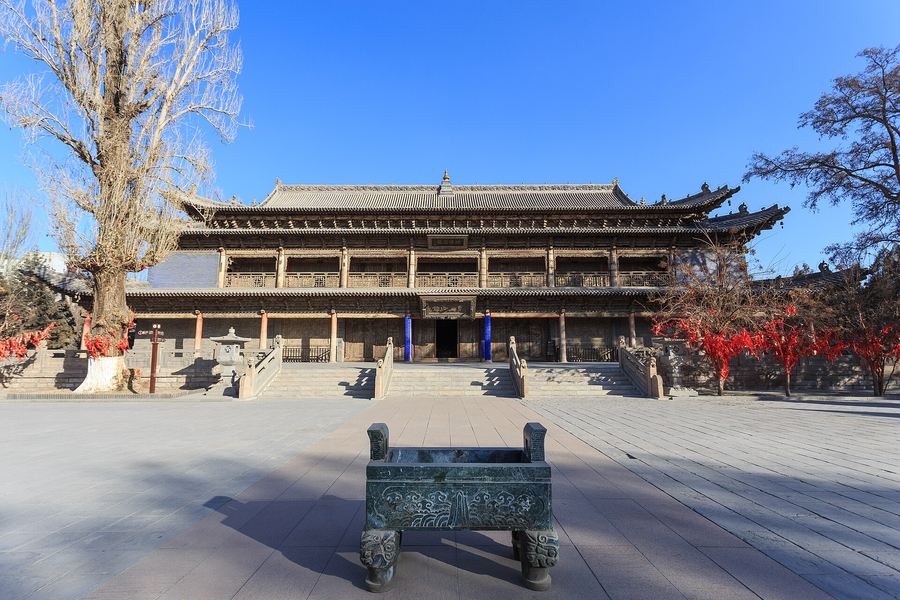 GANSU · ZHANGYE
Zhangye & the Great Buddha Temple
The Great Buddha Temple gives Zhangye an urban heritage focus, with a monumental reclining Buddha inside its main hall. Beyond the city, the Danxia formations offer a contrasting landscape chapter.
Plan your visit Keep the temple and city separate from the longer excursion to Danxia. Allow the light and weather to shape a landscape visit.
Explore Zhangye & the Great Buddha Temple ↗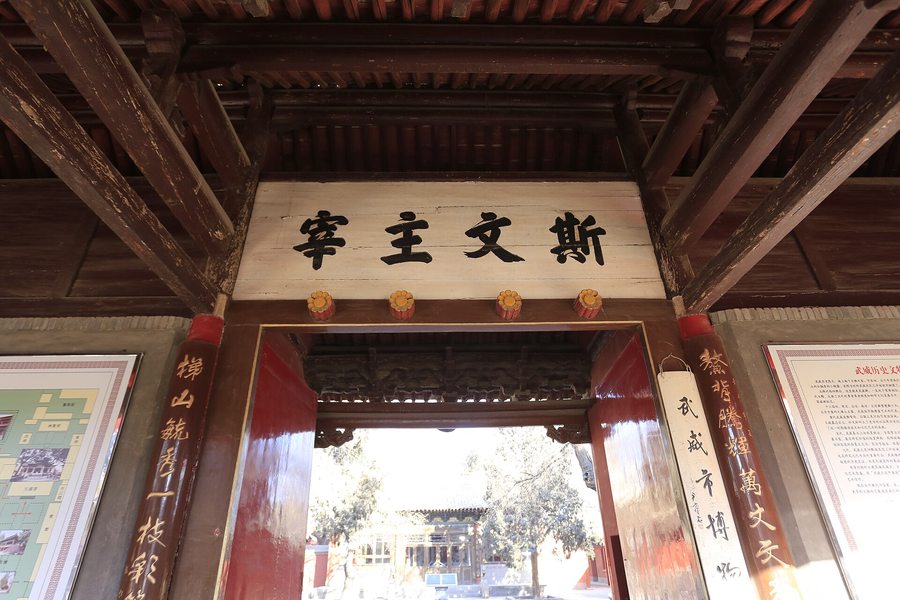 GANSU · EASTERN HEXI
Wuwei
Add Wuwei for a different cultural register: the Confucian Temple, the Leitai archaeological story and the city’s museum collections connect learning, burial culture and corridor history.
Plan your visit Choose the sites around your interests rather than repeating every temple stop. Check which museum displays are accessible for your dates.
Explore Wuwei ↗
The Yellow River, cave art & old capitals
The journey continues through river crossings, collections and sacred art towards Xi’an and Luoyang. These are possible modern combinations, not a claim that every historical caravan followed this line.
 GANSU · LANZHOU
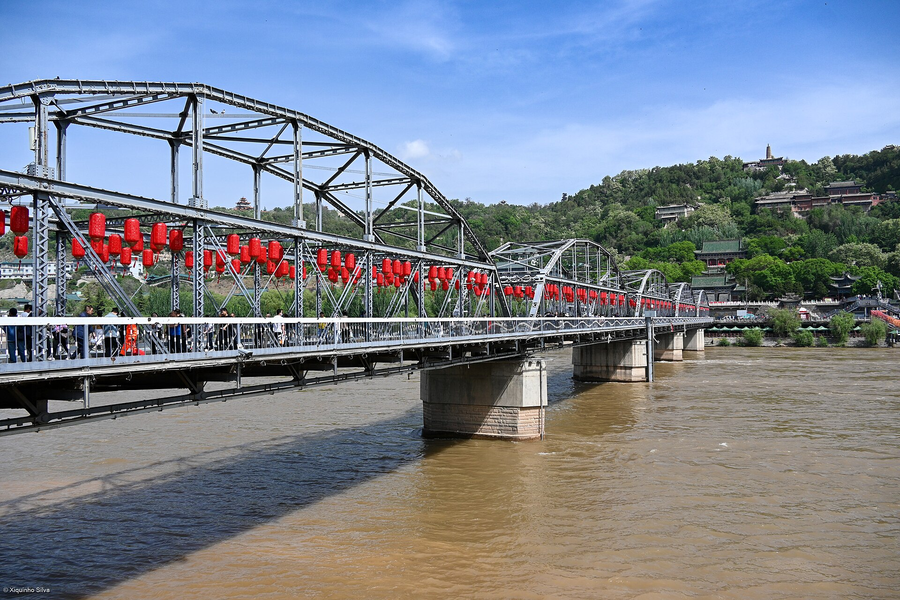
Lanzhou & the Yellow River
The river and Zhongshan Bridge offer an introduction to the city. Gansu Provincial Museum connects objects to the wider route; Bingling Temple’s cliff sculpture is a separate excursion beyond central Lanzhou.
Plan your visit Give the museum its own time. Bingling’s transfer and boat arrangements require a dedicated plan and seasonal checking.
Explore Lanzhou & the Yellow River ↗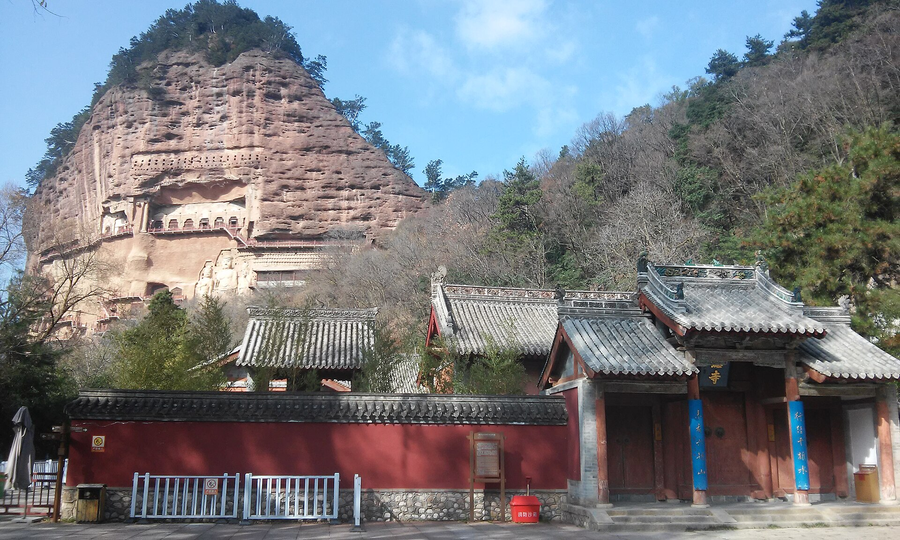 GANSU · TIANSHUI
Tianshui & Maijishan
At Maijishan, sculpture and cliff-side walkways bring another distinctive Buddhist-art chapter into view. Tianshui’s temples and old neighbourhoods make a useful contrast to the mountain site.
Plan your visit Allow a full day for Maijishan and the journey there. Visitor routes can change with weather and conservation arrangements.
Explore Tianshui & Maijishan ↗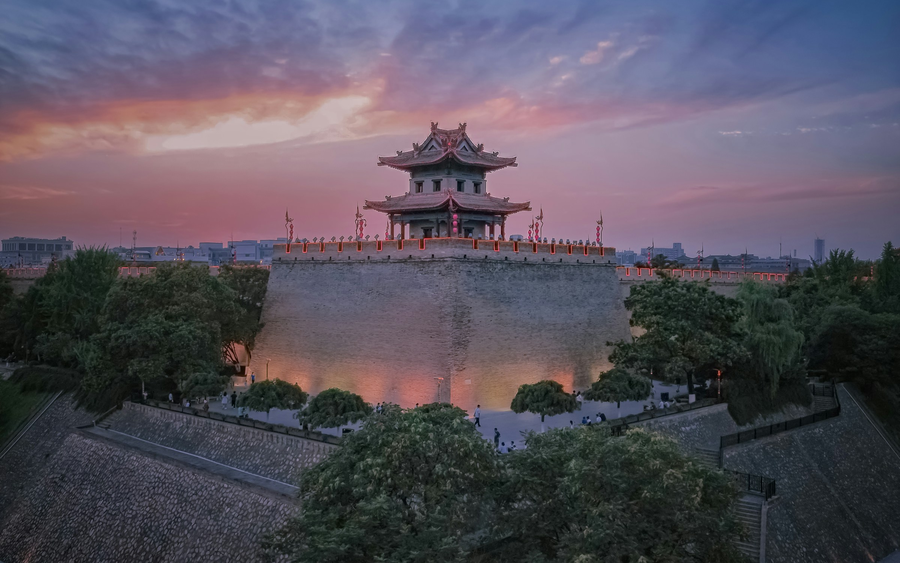 SHAANXI · CHANG’AN
Xi’an: a cosmopolitan capital
Explore the collections and sacred sites of a capital connected to merchants, envoys and translators. The Great Wild Goose Pagoda offers a Buddhist thread; museums and city neighbourhoods widen the story beyond a single belief.
Plan your visit Allow several days if adding the Terracotta Army. Use the museum visit to connect objects and ideas to the places seen farther west.
Explore Xi’an: a cosmopolitan capital ↗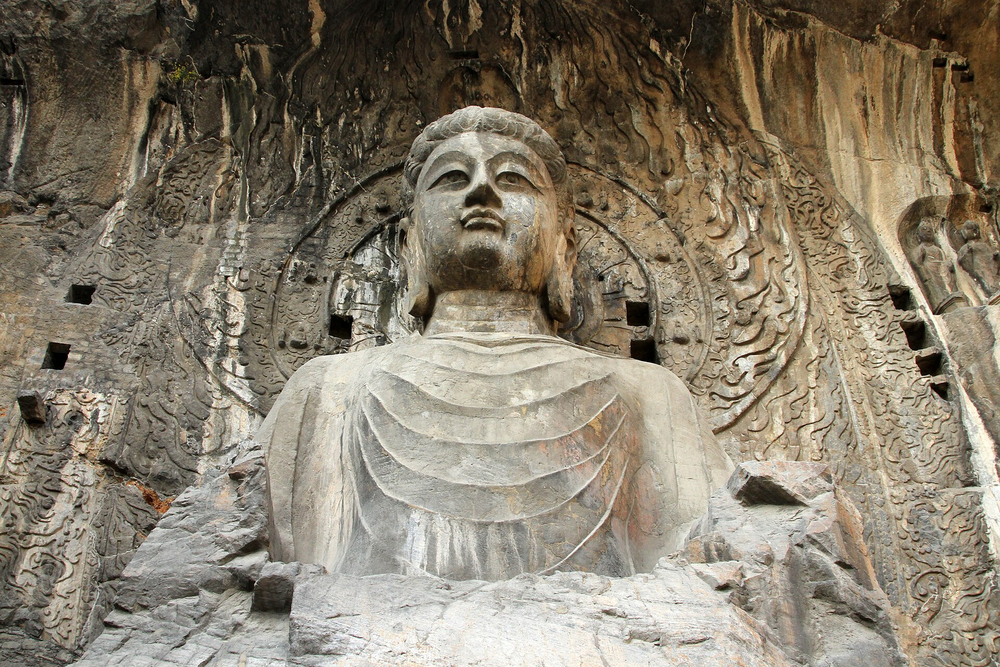 HENAN · LUOYANG
Luoyang: Longmen & White Horse Temple
Longmen’s rock-cut figures show how Buddhist images developed in the Chinese heartland. White Horse Temple adds the city’s traditional account of Buddhism’s arrival, while Luoyang’s collections and old streets complete a broader visit.
Plan your visit Longmen and White Horse Temple are separate visits with their own travel time. Two days give a more comfortable introduction.
Explore Luoyang: Longmen & White Horse Temple ↗
Make the journey your own.
- Choose a theme: cave art, ancient trade, frontier history, faiths, food or landscape. A shorter Gansu route and a longer Buddhist-art journey answer different interests.
- China’s Silk Roads are one part of wider networks across Central Asia; this guide does not attempt to recreate the entire transcontinental system.
- Distances are substantial and protected sites manage access. Agree the order, transport and available visits for your dates.
Sources & editorial approach
Place associations are drawn from the sources below. Suggested combinations and pacing are our own; current visitor access is checked when planning.