Kshitigarbha & the mountain tradition
Jiuhua Shan is revered in Buddhist tradition as the sacred teaching place of Kshitigarbha, known in Chinese as Dizang. Stories of compassionate vows give the mountain’s temples a meaning beyond scenery.

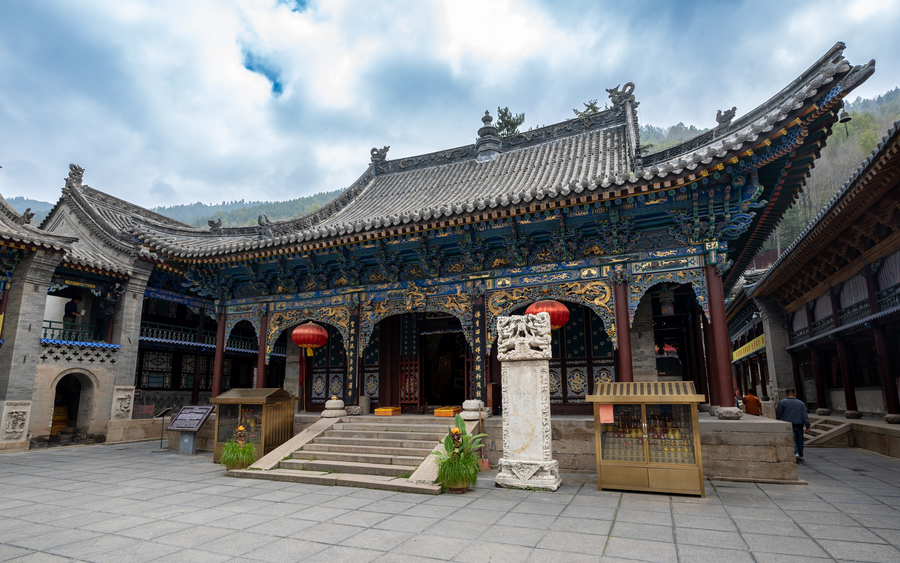
Temple settlements and wooded peaks associated with Ksitigarbha’s compassionate vows.
Mount Jiuhua is one of China’s four sacred Buddhist mountains, associated with Ksitigarbha. Temples are woven through its mountain settlements and paths, giving the visit a quieter scale than a single grand monument.
Begin around Jiuhua Street and choose a small number of temples to explore with attention. If time allows, add a mountain walk; a second day offers a calmer rhythm for both active worship spaces and the surrounding scenery.
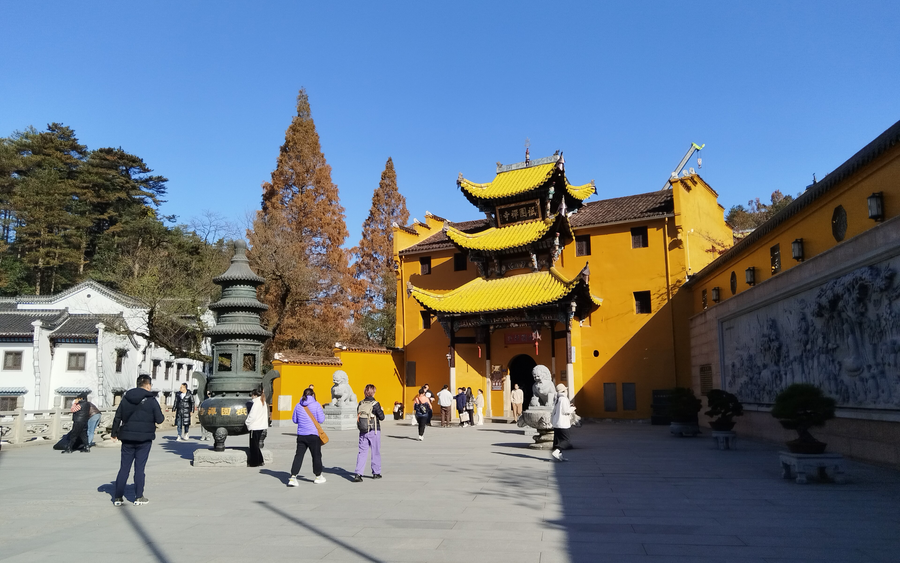 Mount Jiuhua
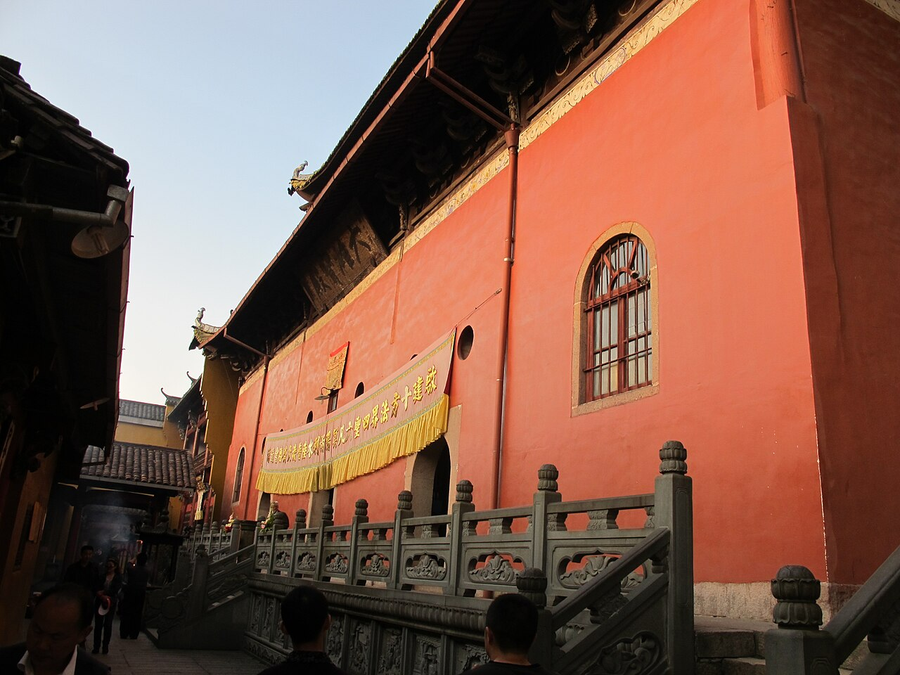 Zhiyuan Temple, Jiuhua Shan
Choose a recognition to see the specific places and traditions connected with this destination. Nearby extensions keep their own location and travel time.
Find the places and stories that matter to you, then give them the time they deserve.
Jiuhua Shan is revered in Buddhist tradition as the sacred teaching place of Kshitigarbha, known in Chinese as Dizang. Stories of compassionate vows give the mountain’s temples a meaning beyond scenery.
The settlement and nearby temples allow a grounded introduction before travelling higher. Choose several distinctive spaces with time for explanation, respecting worshippers and temple photography rules.
Tiantai and other upper-mountain areas require additional transport and walking. A pilgrimage-focused itinerary and a scenic outing need not follow exactly the same route.
Stay near the principal temple area and select an upper-mountain visit suited to your pace.
Add more temple time and weather flexibility instead of filling every hour with transfers.
Vegetarian cooking and regional Anhui dishes provide options around the mountain; confirm suitable meals rather than assuming access to temple dining.
The gateway, temple settlement and higher areas are different bases. Steps and mountain weather should shape the route.
Granite mountain forms surround one of China’s major Buddhist pilgrimage landscapes. A slower walk can connect the rock, forest and temple setting.
Jiuhuashan is a UNESCO Global Geopark. Its Buddhist importance is a different form of significance; it is not a World Heritage inscription.
Explore the geology & plan your visit ↗Explore a sample route, then ask us to shape the details around your travel dates.