Jinci & the language of timber
Jinci combines architecture, sculpture, old trees and water in a setting best read slowly. Structural details and the relationship between buildings make it more than a single hall photograph.

Historic temple grounds and a museum introduction to Shanxi’s cultural heritage.
Taiyuan is both Shanxi’s provincial capital and a useful starting point for understanding its extraordinary heritage. At Jinci, historic halls, sculptures, trees and water create a richly layered landscape just outside the urban centre.
A visit to the Shanxi Museum adds context before travelling on to Pingyao or north towards Datong. It is an especially useful pause for travellers interested in how ritual, craftsmanship and architecture connect across the province.
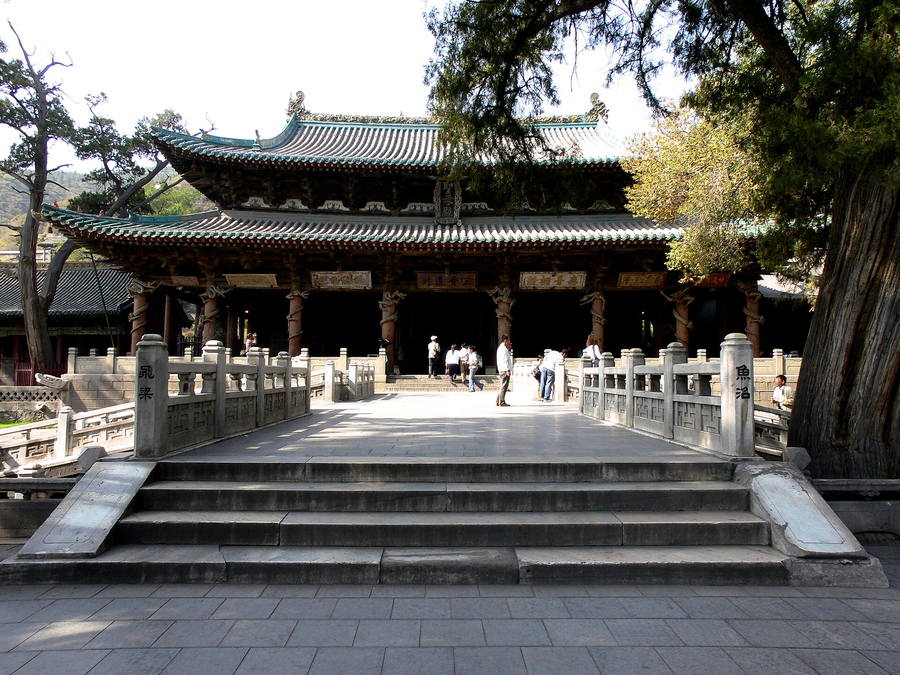 Jinci Temple
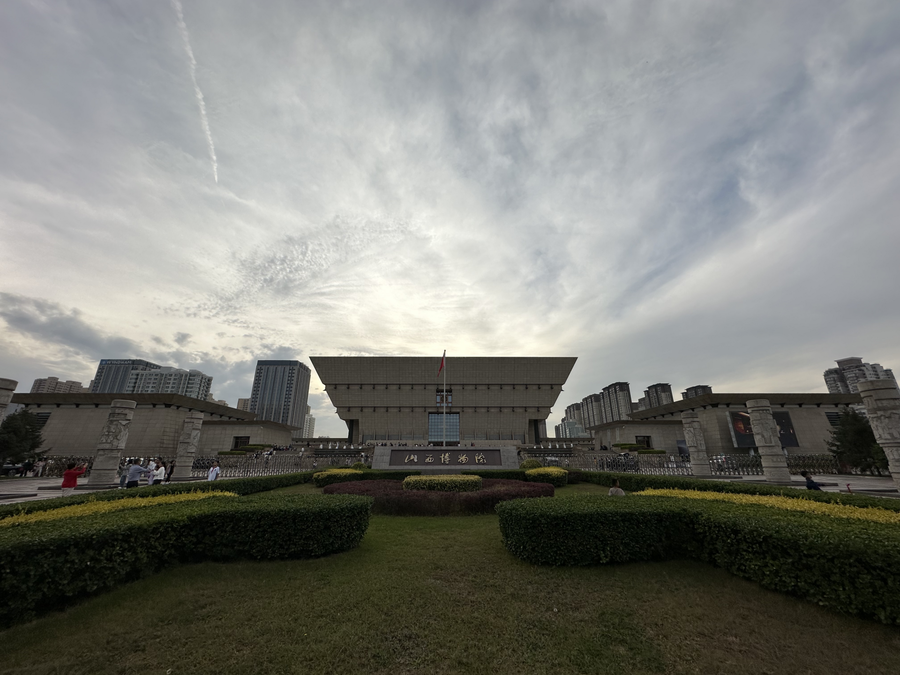 Shanxi Museum
Find the places and stories that matter to you, then give them the time they deserve.
Jinci combines architecture, sculpture, old trees and water in a setting best read slowly. Structural details and the relationship between buildings make it more than a single hall photograph.
The museum helps connect the province’s tombs, temples, bronzes and mercantile history. Select galleries relevant to the onward route; a serious collection visit deserves several hours.
Taiyuan’s food and urban life provide a useful pause between more dispersed monuments. Choose an additional local site for a clear interest instead of treating the city only as a station.
Give each main cultural focus enough time, with city meals and a relaxed evening.
Continue to Pingyao, Wutai or the southern temple region with a deliberate road or rail stage.
Shanxi noodle techniques and vinegar offer an accessible introduction to the province’s food culture.
Central accommodation suits the museum and dining; Jinci lies outside the core and needs a separate transfer.
Explore a sample route, then ask us to shape the details around your travel dates.