
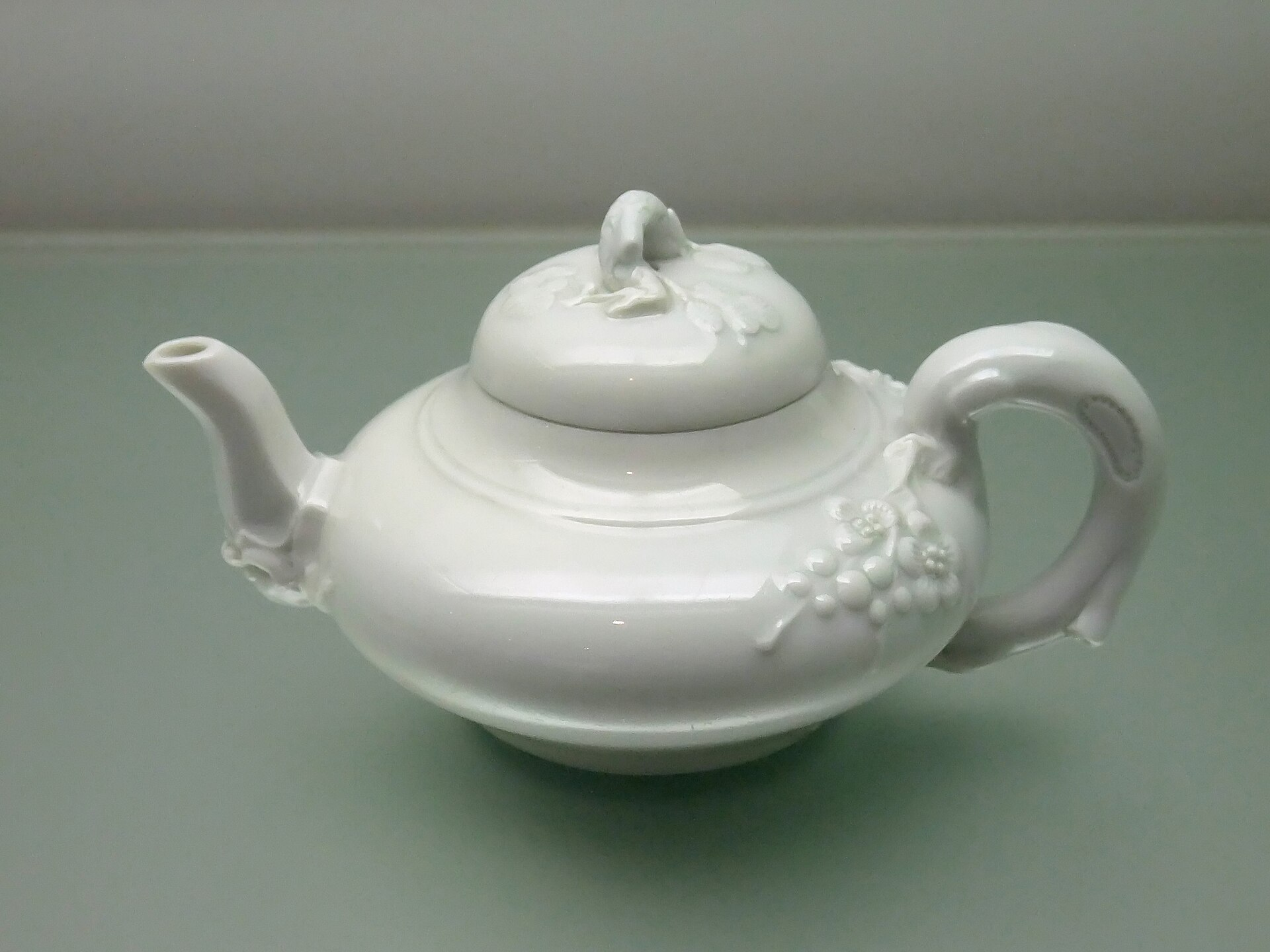
Dehua White Porcelain
A world of detail in white. Dehua's porcelain tradition draws attention to form, surface and the possibilities of clay.
Vessels and sculptural pieces reveal different approaches to shaping porcelain. Watching the making process brings the finished white surface back to the hands and heat behind it.
A closer encounter
- Explore the shaping and finishing of porcelain forms.
- Try an introductory clay activity on an extension from Quanzhou to Dehua.
Dehua is in Quanzhou’s mountainous hinterland. Kilns and workshops require a separate excursion or overnight stay, rather than a brief stop between Quanzhou’s old-town sites.
Tell us what interests you. We’ll shape the experience around your journey and confirm the arrangements in your personal proposal.
Include this in my journey ↗Explore Quanzhou ↗A tradition in context.
Dehua’s white porcelain belongs to Fujian’s ceramic history. Its sculptural forms and surface qualities provide a useful comparison with the coloured ceramics and kiln archaeology of Jingdezhen.
Make time to understand.
Plan Dehua as a dedicated ceramic chapter from Quanzhou, allowing for the transfer. Compare white porcelain vessels and sculptural pieces before a maker’s demonstration, with any shaping activity and firing or delivery discussed separately.
Pair the place with a living tradition
These are cultural pairings and possible travel extensions. Recognition of a tradition is separate from inscription of a World Heritage site.
Fujian Tulou ↗Recognition & cultural sources
China National Intangible Cultural Heritage · underlying tradition. This identifies the cultural tradition, not a certification of our visitor activity.
The Fujian programme includes Dehua porcelain. A presentation in Zhangzhou should not be mistaken for a visit to a working ceramic studio in Dehua.