
China Beyond Travel · Updated
Begin with West Lake, then look beyond its famous views. Zhejiang can lead you into tea-growing hills, the literary and wine traditions of Shaoxing, or a more focused journey around temples and craft. The rewarding question is not how many places fit after Hangzhou, but which subject you would like to follow further.
Understand what you are looking at
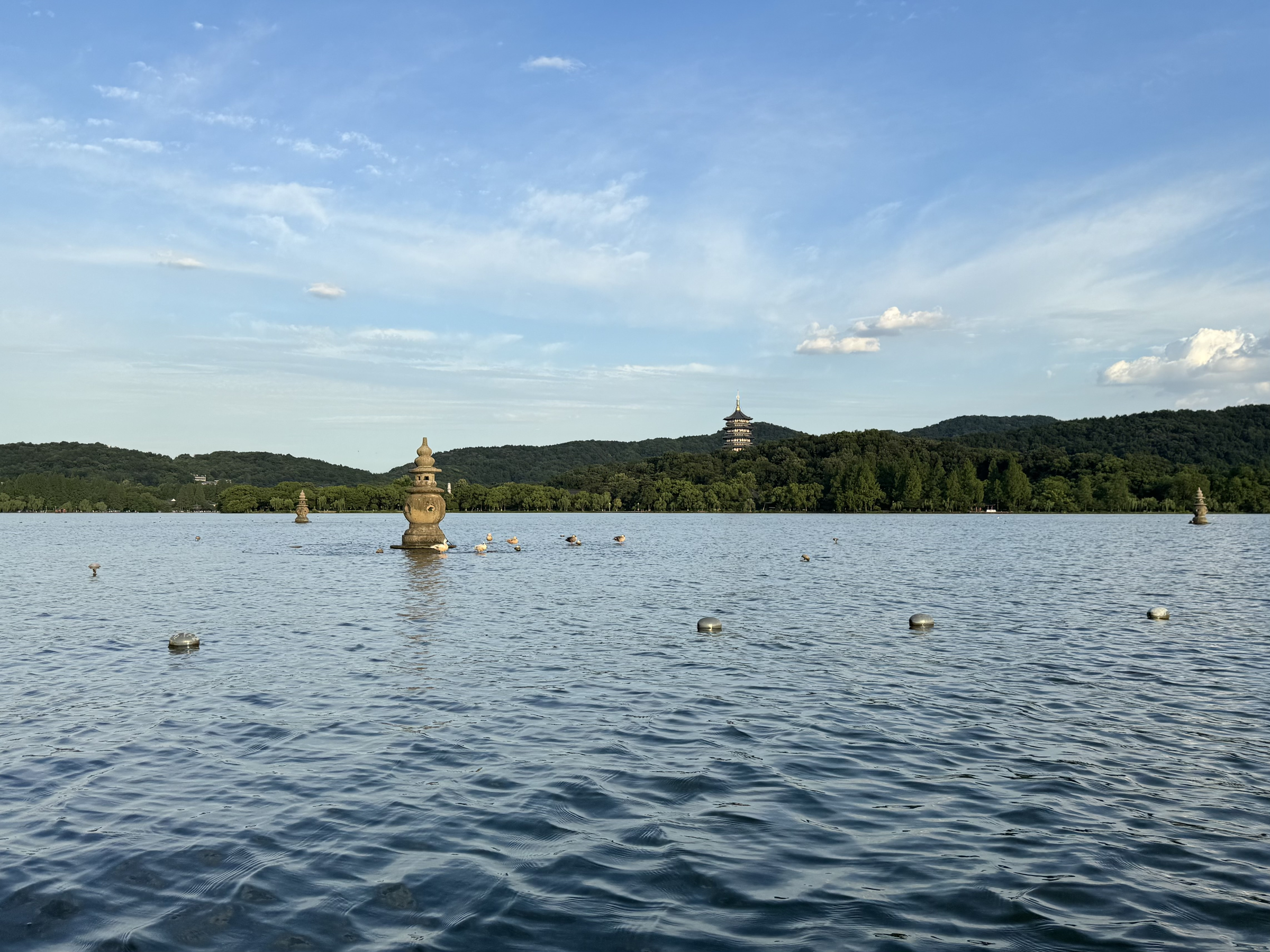
West Lake is a cultural landscape: its causeways, islands, temples and surrounding hills have been shaped and appreciated over generations. Looking at it as a single photo stop misses the relationship between the city, the water and the landscape beyond.
Start with a manageable stretch of shore, then combine it with a different setting: tea fields, a temple or a neighbourhood meal. The contrast tells you more about Hangzhou than trying to circle every part of the lake in one day.
Hangzhou, Shaoxing and further possibilities
Hangzhou can lead in two different directions. Eastward, Shaoxing, Shengzhou, Xinchang and Tiantai form a cultural corridor often called the Eastern Zhejiang Poetry Road. Read it through waterways, Tianmu Mountain, Guoqing Temple and the stories of Hanshan and Shide. It was never one fixed itinerary followed by every poet.
Southwest along the Fuchun River, Fuyang and Tonglu make another chapter: Huang Gongwang’s painting, river scenery and Yan Ziling’s story of withdrawal from office. Keep these strands distinct rather than forcing all of Zhejiang into one rushed loop.
Tea is a practice, not just a souvenir
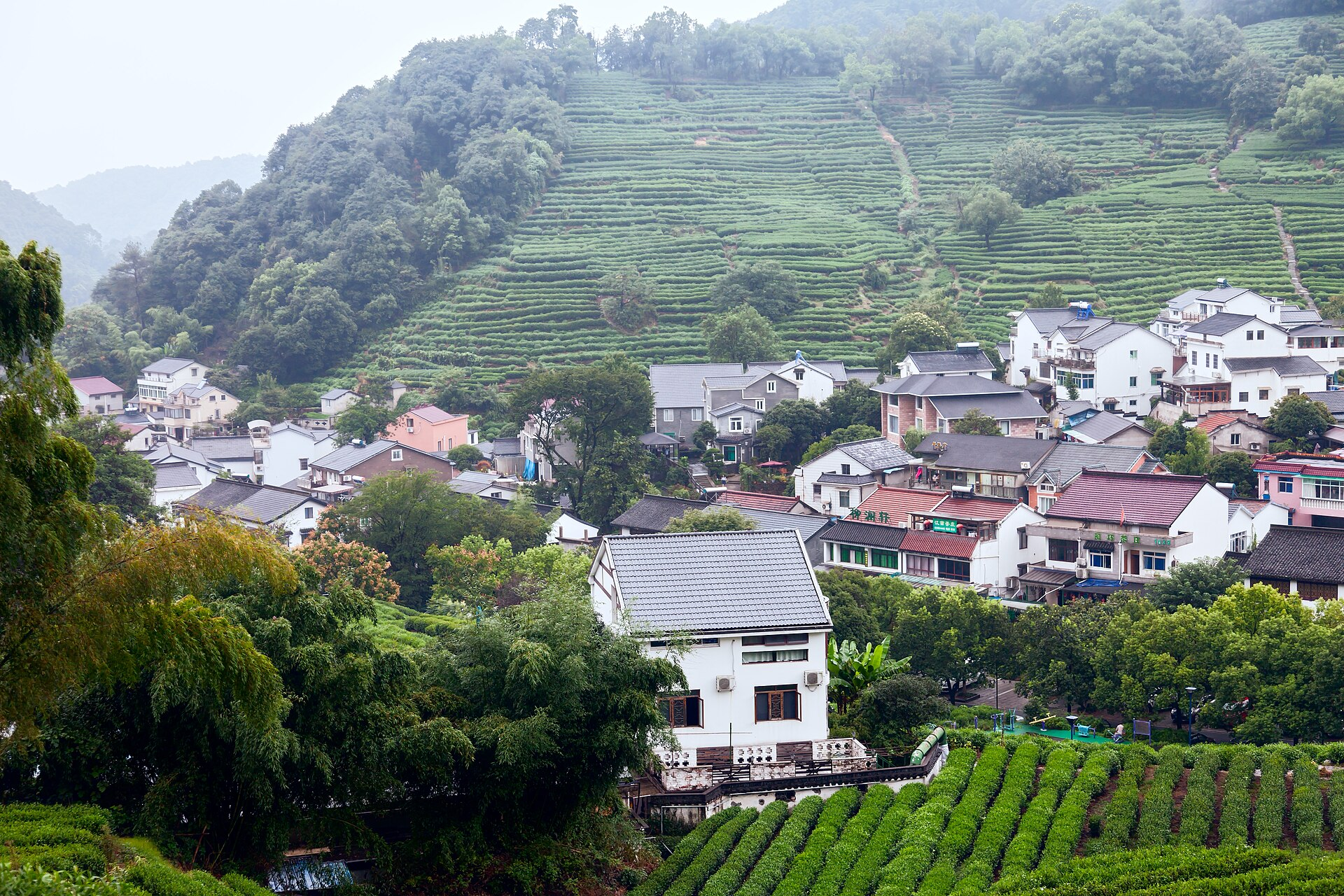
Longjing is green tea, closely associated with the hills around Hangzhou’s West Lake. Begin a tasting by noticing the dry leaves, the aroma after adding water and how the cup changes as it cools. Comparing a small number of teas can be more useful than hearing a long list of grades.
Late March and April are sensible starting points for discussing a spring-harvest visit, but the actual picking window changes with weather and the tea cultivar. Visiting a tea landscape, seeing processing and joining a hands-on session are separate possibilities; we confirm which is appropriate for your dates. Jingshan offers another way to explore the relationship between tea and cultural practice.
Taste the differences within Zhejiang
Do not expect every city to serve the same version of “Zhejiang food”. Use Hangzhou as one introduction, then let a Shaoxing visit explore rice wine, preserved flavours and the place of rice cakes in local cooking. A coastal extension can change the emphasis again.
Plan one meal with enough time to discuss the ingredients and the way dishes are shared. If you avoid alcohol, mention cooking wine as well as drinks. For vegetarian travellers, confirm broth and sauces; a temple visit does not automatically mean a suitable meal is available at the right time.
How long to stay
Two days can give Hangzhou a balanced introduction: lake and temple on one day, tea country on the other. With four or five days, slow the city down and add Shaoxing. A week or longer allows a more focused extension, such as pilgrimage, craft or a different landscape, without making every day a transfer.
For a first China visit, Zhejiang combines naturally with Shanghai and southern Jiangsu. It can also work as the gentler final chapter after larger cities. Decide early whether you want a cultural journey with some walking or a walking holiday with cultural stops; the days will be designed differently.
Choose a base that suits your days
Staying near the lake makes spontaneous walks easier. A tea-country stay can be attractive for a slower visit, but check its access and the time needed to reach city sights. A beautiful room does not resolve a difficult daily transfer.
Rail can connect the larger cities, while countryside and temple visits often need additional road travel. Allow time for station transfers and luggage. Summer weather may disrupt coastal plans, so avoid placing an essential onward connection immediately after an island visit.
Experience a living place respectfully
Tea fields are workplaces. Ask before entering a planted area or picking leaves. At temples, observe the atmosphere, keep a respectful distance from worshippers and follow photography rules. When discussing a workshop, be clear whether your interest is a demonstration, an introductory activity or a longer session with the material.
When to go.
- March–April
- Discuss spring tea and fresh greenery. Picking and blossom dates depend on the year.
- May
- Consider lake walks and a wider cultural circuit, with flexibility for rain and holiday crowds.
- June–August
- Allow for heat, humidity and rain. Keep an indoor alternative and check weather for coastal extensions.
- September–November
- A useful planning window for walking and several-city journeys; check early-October travel demand.
- December–February
- Build shorter outdoor periods around tea, museums and food. Expect cool, sometimes damp conditions.
These are seasonal planning suggestions, not a weather forecast. Exact harvests, flowering, festivals and site access vary; we check them when shaping your dates.
Good to know before you go.
- Pack for rain and tea hills
- Bring a light waterproof layer and shoes with grip for hillside paths. Breathable summer clothing and an extra layer for cooler mornings make it easier to adjust.
- Coastal plans need flexibility
- For islands or coastal extensions, check weather warnings and transport updates close to departure. Leave a buffer before an essential onward flight or train.
- A harvest is not a fixed date
- Spring tea picking depends on weather and the cultivar. A tasting and a landscape visit can still be rewarding when picking or processing is not taking place.
- For temple visits
- Choose clothing that covers shoulders and knees, and shoes you can walk in comfortably. Follow each temple’s instructions for indoor photography and access.
Sources & editorial approach
Written by China Beyond Travel from cultural and destination research. Route pacing and suggested combinations are our editorial recommendations. Cultural background sources are linked below; we check current visitor arrangements when planning your trip.